Personal Branding in 2026: Why It Matters for Students, Early Careers, and Non-Linear Career Paths
Insights from a keynote at FH Kufstein on LinkedIn, career growth, and a 30-day personal branding sprint.
Date
Category
Writer
Why Personal Branding Is Often Misunderstood
“Personal Branding is just self-promotion.”
That was the response from 52% of students during a poll I conducted at a keynote at FH Kufstein. Only 36% saw Personal Branding as a tool for career growth.
That gap reveals a major misconception, especially among students and early-career professionals.
Personal Branding is often associated with ego, self-promotion, or becoming an influencer. But in reality, it is one of the most important career development tools in 2026, especially in a world shaped by non-linear career paths and digital visibility.
Key Takeaways from the FH Kufstein Keynote
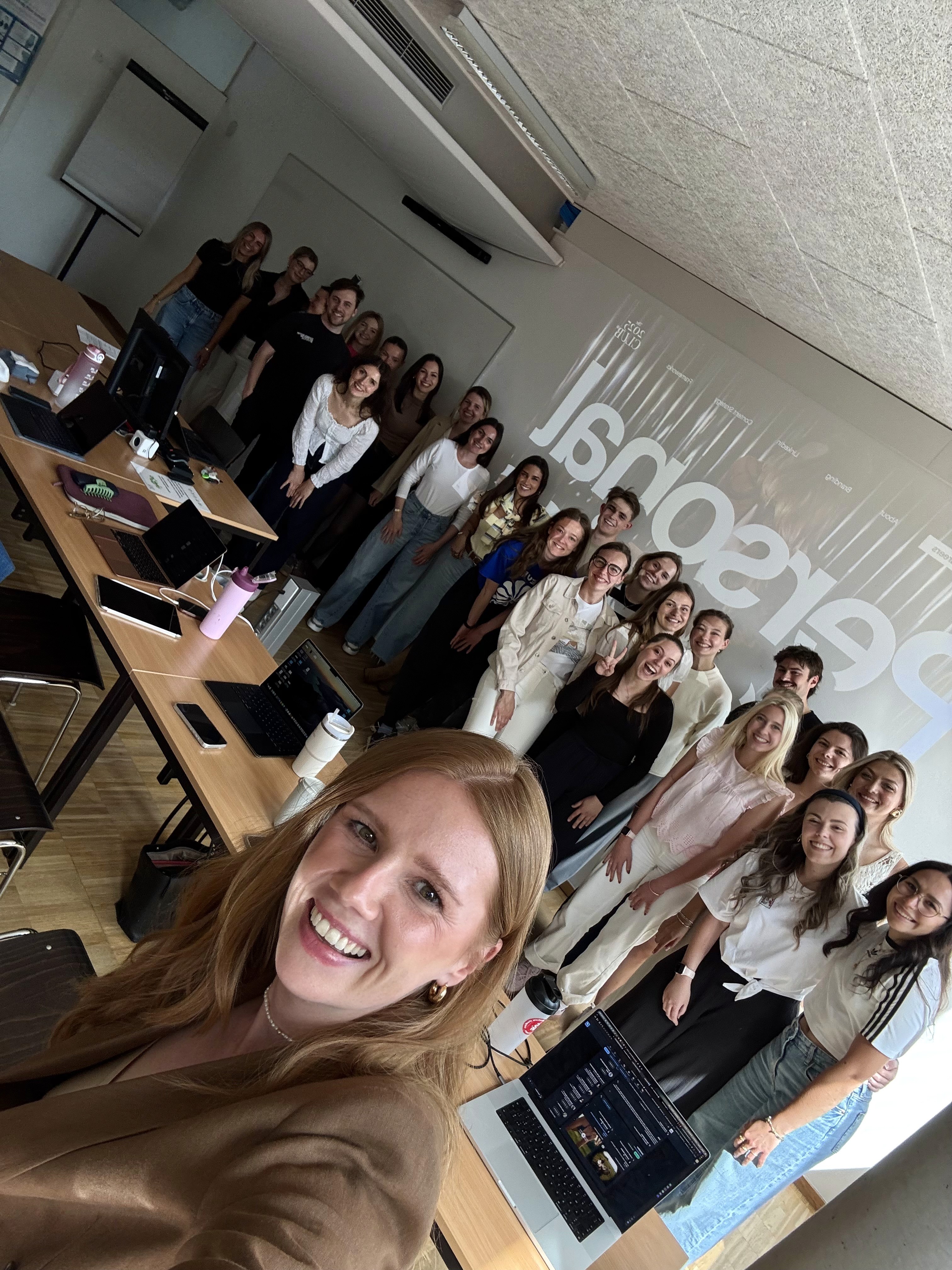
I recently had the opportunity to speak at FH Kufstein to two groups:
Full-time students across one semester
Part-time students balancing work and study
The session focused on:
Personal branding for career growth
Non-linear career paths in modern industries
How LinkedIn creates unexpected job opportunities
A practical system to build a personal brand consistently
The discussion highlighted a key shift:
Careers are no longer linear — and visibility now matters as much as experience.
What Is Personal Branding (and What It Is Not)?
To clarify a common misconception:
Personal branding is NOT:
Self-promotion for attention
Pretending to be someone you’re not
Becoming a content creator or influencer
Personal branding IS:
Making your skills, projects, and thinking visible
Documenting professional growth over time
Building trust before formal opportunities arise
Creating inbound career opportunities through visibility
In simple terms:
Personal branding is how people understand your value before they meet you.
Non-Linear Career Paths Are the New Normal
Traditional career paths used to look like this:
Study → Internship → Job → Promotion → Stability
Today, that model is outdated.
Modern careers are increasingly:
non-linear
multi-directional
opportunity-driven
shaped by digital visibility
This is especially true in fields like:
digital marketing
sales
tech and Big Tech ecosystems
entrepreneurship and consulting
In this environment, your personal brand becomes a connective layer across your experiences, helping others understand your trajectory even if it doesn’t follow a straight line.
How LinkedIn Creates Career Opportunities You Don’t Apply For
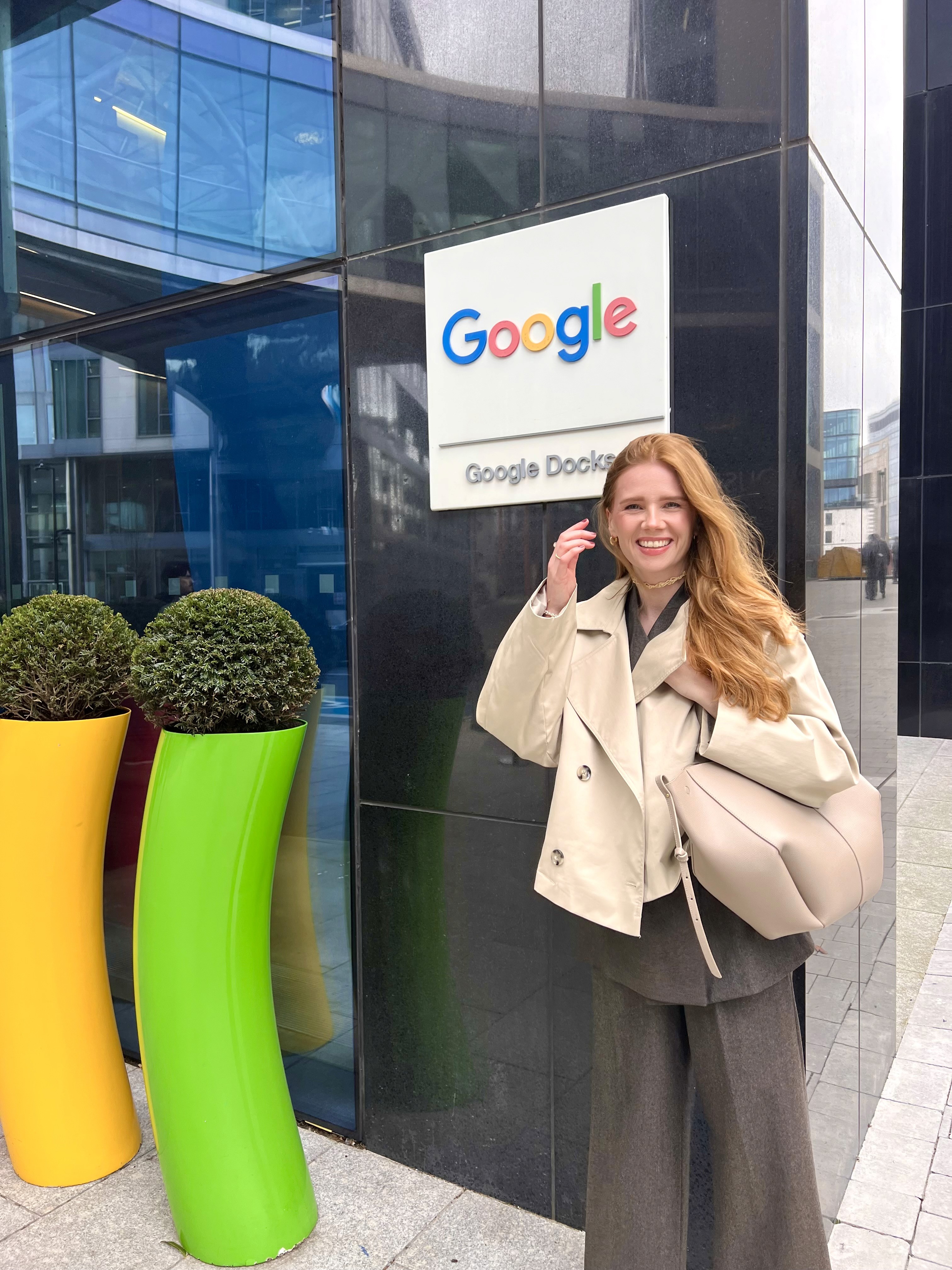
One of the key topics I shared at FH Kufstein was my own experience with LinkedIn.
Years ago, I would not have expected that LinkedIn could lead to:
Big Tech conversations
international career opportunities
speaking invitations
roles I never actively applied for
But that is exactly what happened.
The key driver was not perfection. It was consistency.
By sharing:
what I was learning
what I was working on
what I was curious about
and how I was thinking about my field
I unintentionally created a professional narrative that attracted opportunities over time.
This is one of the most underestimated effects of LinkedIn personal branding for career growth.
Latest Articles.
© The 2025 Club®
Thoughts and insights on Personal Branding, creative strategy, and building an authentic online presence