You’re Good at What You do, But LinkedIn Doesn’t Show it
Why Personal Branding has become a leadership skill, not self-promotion.
Date
Category
Writer

Your LinkedIn profile shouldn’t be confusing
For many experienced professionals this gap is frustrating: you’re delivering results, navigating complex organizations, and leading teams, yet your LinkedIn presence doesn’t reflect the level you operate at. Your experience looks flatter online than it is in reality, and opportunities in Big Tech or senior roles often go to people who are simply clearer about their story.
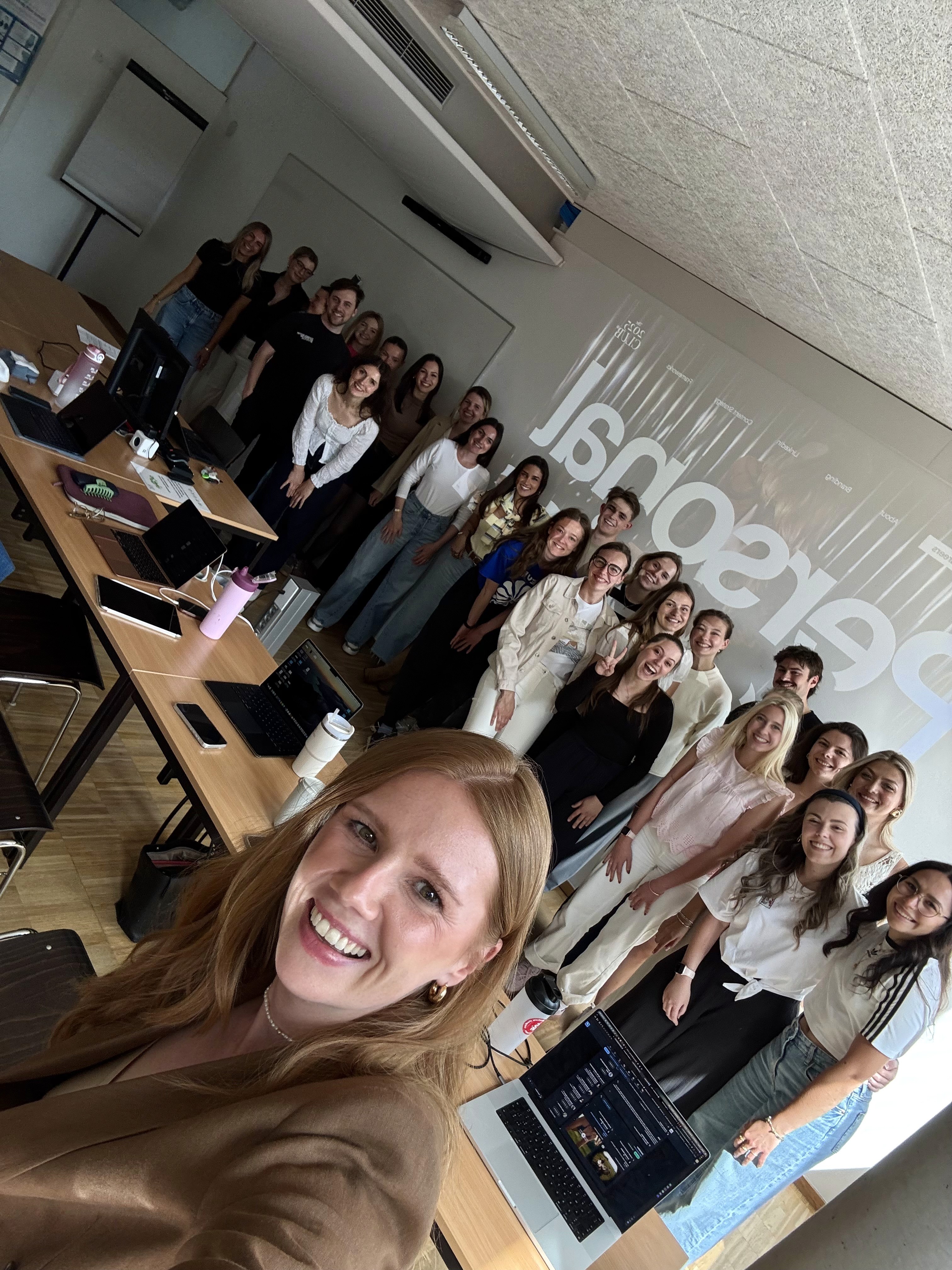
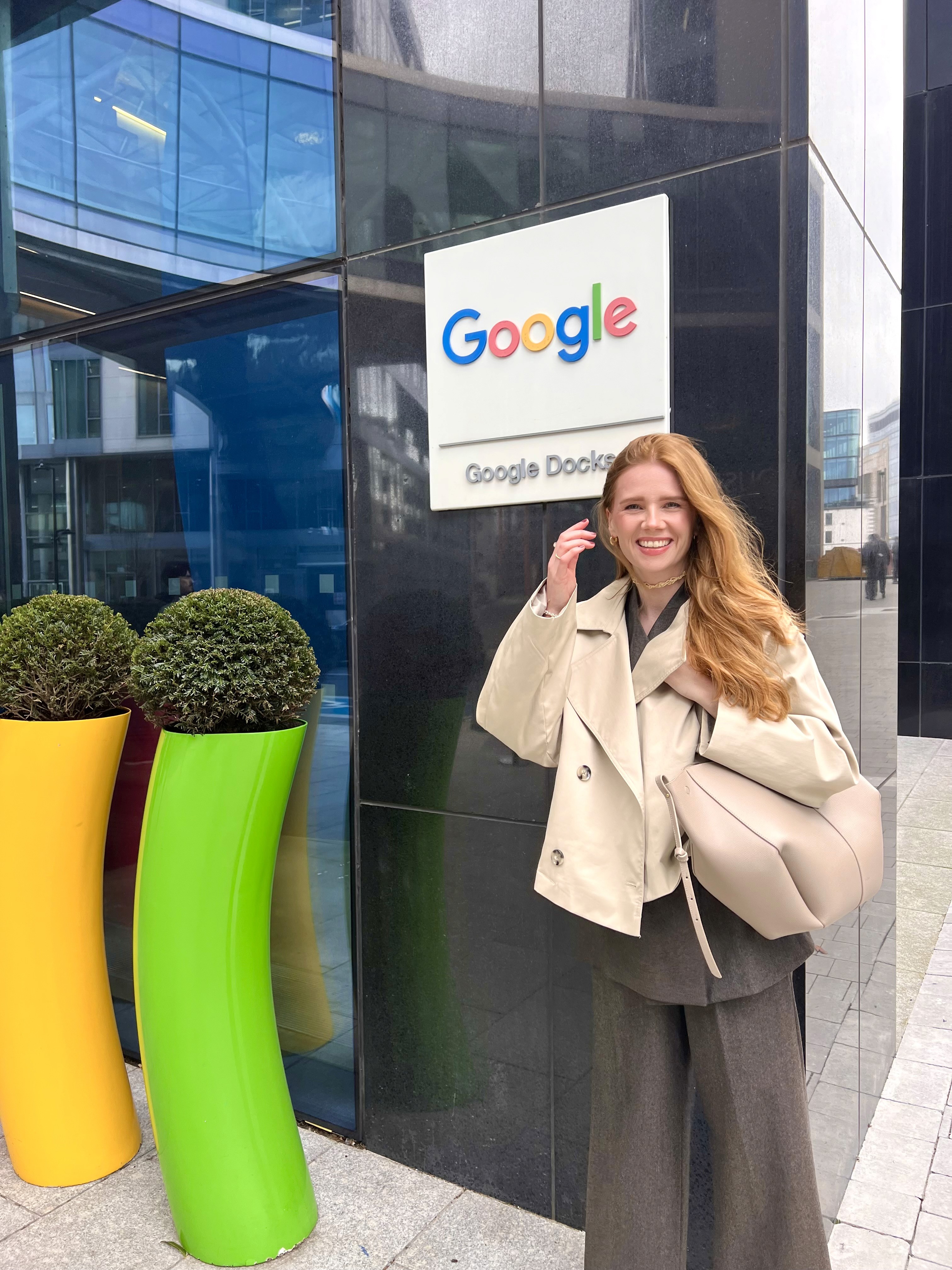
I’m Silvia Wurzer, founder of The 2025 Club®, a LinkedIn and Personal Branding consultancy working with professionals, leaders, and teams across Europe and the US. After seven career pivots, including my own transition from B2B Digital Marketing into Big Tech and working internationally with C-suite leaders and boards, I’ve seen this pattern again and again: strong experience doesn’t automatically translate into visibility, credibility, or career momentum unless it’s positioned clearly.
That’s why Personal Branding on LinkedIn is no longer about self-promotion. It’s about leadership, clarity, and making sure your experience is understood, by recruiters, decision-makers, and peers, before the first conversation even happens.
A One-Day LinkedIn Optimization Framework for Busy Leaders
You don’t need to overhaul your entire LinkedIn presence to see results. Most profiles underperform because of a few structural issues, not because of a lack of experience. Here’s a practical framework I often use with clients at The 2025 Club® to create immediate clarity in a single day.
1. Fix your headline so people understand you in 5 seconds
The problem:
Most headlines list job titles instead of value, especially in Big Tech and enterprise environments.
Quick fix:
Rewrite your headline to answer this simple question:
“Who do I help, how, and in what context?”
Example structure:
What you do + who it’s for + area of impact
This alone can dramatically change how recruiters, hiring managers, and peers perceive your profile.
2. Rewrite your “About” section as a leadership summary, not a bio
The problem:
About sections often read like CVs or personal essays, neither works.
Quick fix:
Use 3 short paragraphs:
What you do today and the level you operate at
The experience and transitions that shaped you
What you’re focused on next (without sounding like a job ad)
Think clarity + storytelling.
3. Align your experience section with where you’re going. Not just where you’ve been
The problem:
Past roles are described in isolation, which makes career pivots look random.
Quick fix:
Update role descriptions so they highlight:
scope
impact (numbers & KPIs)
decision-making level
This helps Big Tech recruiters and corporate leaders see progression and relevance, even across different roles or industries.
4. Make your profile visually calm and credible
The problem:
Busy banners, generic stock photos, or outdated images quietly undermine seniority.
Quick fix:
Use a simple, professional photo (smile!)
Choose a banner that reinforces your role or focus (not a quote)
5. Check consistency across your profile
The problem:
Headlines, About sections, and experience often contradict each other.
Quick fix:
Read your profile top to bottom and ask:
“Does this tell one clear story?”
If not, simplify. Consistency builds trust faster than clever wording.
This is the kind of work I do with professionals and leaders through The 2025 Club®, my LinkedIn and Personal Branding consultancy in the EU and US. Not to create polished profiles for their own sake, but to make sure experience, ambition, and opportunity finally line up.
Latest Articles.
© The 2025 Club®
Thoughts and insights on Personal Branding, creative strategy, and building an authentic online presence